
"inspection standard"
500 article(s) found

Manual inspection of raw coffee beans
With reference to the origin and grading, grab the raw beans with your hands and check their appearance. The feeling of the hand is very important. Judging from the appearance of raw beans, their quality must have some experience, at the same time, it is difficult to set standards. The color has no difference in uniform light green, with luster. Also take into account the changes in color after harvest. The shape requires uniform and neat particles, and there should be no deformed beans.
Manual inspection of raw coffee beans in Coffee Encyclopedia
With reference to the origin and grading, grab the raw beans with your hands and check their appearance. The feeling of the hand is very important. Judging from the appearance of raw beans, their quality must have some experience, at the same time, it is difficult to set standards. The color has no difference in uniform light green, with luster. Also take into account the changes in color after harvest. The shape requires uniform and neat particles, and there should be no deformed beans.
Manual inspection of high-quality raw coffee beans
With reference to the origin and grading, grab the raw beans with your hands and check their appearance. The feeling of the hand is very important. Judging from the appearance of raw beans, their quality must have some experience, at the same time, it is difficult to set standards. The color has no difference in uniform light green, with luster. Also take into account the changes in color after harvest. The shape requires uniform and neat particles, and there should be no deformed beans.
Manual inspection of high-quality coffee beans
With reference to the origin and grading, grab the raw beans with your hands and check their appearance. The feeling of the hand is very important. Judging from the appearance of raw beans, their quality must have some experience, at the same time, it is difficult to set standards. The color has no difference in uniform light green, with luster. Also take into account the changes in color after harvest. The shape requires uniform and neat particles, and there should be no deformed beans.
The first national professional laboratory for coffee products was established in Yunnan.
Through the on-the-spot examination and acceptance by the AQSIQ, the reporter learned from the Yunnan entry-exit Inspection and Quarantine Bureau yesterday that the Pu'er entry-exit Inspection and Quarantine Bureau affiliated to the bureau declared that the national key laboratory for coffee testing (Pu'er), which was planned to be built, passed the on-site examination and acceptance of the AQSIQ examination and acceptance team on September 5. This marks the birth of the only national professional laboratory for coffee products in our province.

The amount of lead released from the century-old "German Gaobao" coffee cup exceeded the standard by more than 4 times.
Professional barista exchanges please pay attention to the coffee workshop (Wechat official account cafe_style) the Ministry of Health and Pharmaceuticals Department today released the latest list of unqualified products at the border. Last month, Hong Kong Shang Chong Meng Xingye Taiwan Branch imported a batch of century-old German Gaobao porcelain coffee cup and plate sets from Poland. The inspection found that the dissolution of lead was as high as 93 units, nearly 4.5times higher than the standard, with a total of 0.28kg.
Yunnan Coffee beans Special Grade II Standard
The appearance and sensory characteristics project requires special secondary sensory aroma, flavor and taste. The appearance should be light blue or light green. Physical index item special second level (7.1mm) test method granularity / >, 90 DB53/T 154.6 broken beans / (%), 10 DB53/T 154.8 discolored beans / (%), 2.0 DB53/T 154.8 foreign bodies / (%), 0.1 DB53/T 154.
Yunnan Coffee Bean Special Grade I Standard
The appearance and sensory characteristics project requires a special level of sensory aroma, flavor and taste. The appearance should be light blue or light green. Physical index item special level (7.1mm) test method granularity / >, 90 DB53/T 154.6 broken beans / (%), 5 DB53/T 154.8 discolored beans / (%), 1.0 DB53/T 154.8 foreign bodies / (%), 0.1 DB53/T 154.8
High-quality coffee beans Yunnan coffee beans special first class standard
The first-class appearance and sensory characteristics project requires that the special-level sensory aroma, flavor and taste are very good. The appearance should be light blue or light green. Physical index item special level (7.1mm) test method granularity / >, 90 DB53/T 154.6 broken beans / (%), 5 DB53/T 154.8 discolored beans / (%), 1.0 DB53/T 154.8 foreign bodies / (%), 0.1 DB53/
General knowledge of Fine Coffee Yunnan Coffee beans Special Grade II Standard
The project requires extra secondary sensory aroma, flavor and taste. The appearance should be light blue or light green. Physical index item Special second level (7.1mm) test method granularity / >, 90 DB53/T 154.6 broken beans / (%), 10 DB53/T 154.8 discolored beans / (%), 2.0 DB53/T 154.8 foreign bodies / (%), 0.1 DB53/T 154.8 chemical index items
General knowledge of fine coffee Yunnan coffee bean special first-class standard
The first-class appearance and sensory characteristics project requires that the special-level sensory aroma, flavor and taste are very good. The appearance should be light blue or light green. Physical index item special level (7.1mm) test method granularity / >, 90 DB53/T 154.6 broken beans / (%), 5 DB53/T 154.8 discolored beans / (%), 1.0 DB53/T 154.8 foreign bodies / (%), 0.1 DB53/

How to check the quality of a large number of roasted coffee beans? How to carry out the finished product inspection of coffee cooked beans?
Professional coffee knowledge exchange more information about coffee beans Please follow the coffee workshop (Wechat official account cafe_style) Coffee beans used in coffee shops and stores are all heavily roasted. In this process, we should not only operate according to the baking data made by the sample after baking, but also pay more attention to cater to customer needs and flavor preferences. Whether the result meets the expectations depends on a lot of baking.

World Coffee Bean Certification What is bird-friendly coffee? Why is it certified for sealing operations?
What is bird-friendly coffee? Bird Friendship is a third party established by the Smithsonian Migratory Bird Center (Sumitomo Mitsui), which is part of the Washington-based National Zoo to certify that D.C. Bird Favorable Standards are stringent environmental standards. Certified coffee is sealed. What are environmental standards? SBMC requires producers to meet requirements for organic certification first, then
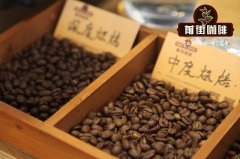
Which brand of organic coffee is good? can I eat organic coffee beans directly? organic coffee bean price list
Professional coffee knowledge exchange more coffee bean information Please pay attention to coffee workshop (Wechat official account cafe_style) Organic coffee bean certification organic coffee bean is not only a healthy choice, but also a balance of ecological protection and stable natural environment. It is inspected by professional institutions from soil, coffee trees, roasting to transportation and the environment one by one every year, and all the conditions meet the standards.

What is the grading and quality control system of Ethiopian coffee?
Professional coffee knowledge exchange more coffee bean information please follow the coffee workshop (Wechat official account cafe_style) in Ethiopia, coffee grading and quality control system is divided into producer, regional and national levels. All coffee is inspected by local inspection agencies before leaving the country of origin, and then re-inspected at the coffee inspection and grading centers in Addis and Diredawa.
Yunnan Standardization Institute deeply excavates the quality characteristics of Pu'er Coffee
Heart hint: in recent years, Yunnan Standardization Institute and Pu'er quality Supervision Bureau have conducted a comprehensive excavation on the quality characteristics of Pu'er coffee. The relevant personnel visited the production, processing, testing, research and marketing departments and enterprises, such as Pu'er entry-exit Inspection and Quarantine Bureau, Pu'er Tea Coffee Bureau, National Coffee key Laboratory, Yunnan Simao Beigui Coffee Co., Ltd., visit local senior coffee experts and hold

A brief introduction to the description of flavor and aroma characteristics of Sidamo coffee beans with lively and sour taste
The coffee beans after harvest must enter the treatment program immediately, otherwise they will begin to ferment, making the coffee beans have a bad smell. There are two methods of treatment: solarization and water washing, which will cause different flavors. Sun-dried beans have a complete natural mellow flavor, gentle aroma and more gum; washing rules have a good mellow taste, high aroma and lively sour Yega Chuefei.
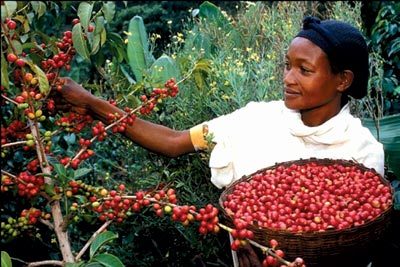
Grading and quality control system for coffee African fine coffee beans Ethiopian coffee beans
Coffee classification and quality control system In Ethiopia, coffee classification and quality control system is divided into producer, regional and national three levels. All coffees are inspected by local inspection agencies before they leave the country of origin, and then re-inspected at coffee inspection and grading centres in Addis and Diredova to determine their quality grade. Coffee is graded before auction and sale
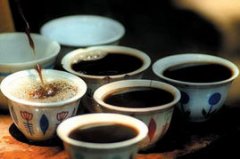
Grading and quality Control system of Ethiopian Coffee
In Ethiopia, the grading and quality control system of coffee is divided into three levels: producer, regional and national. All coffee is inspected by local inspection agencies before leaving the country of origin, and then re-tested at the coffee inspection and grading centers in Addis and Diredawa to determine its quality grade. Coffee is graded before auction and sale, for all involved in production, acquisition,